
Light geometry
Position, direction, size, and multiple sources
Technology
Transform real video into physically consistent lighting variants while motion, geometry, and task semantics stay aligned
How it works
Scene understanding, a relightable representation, and explicit lighting controls work as one engine
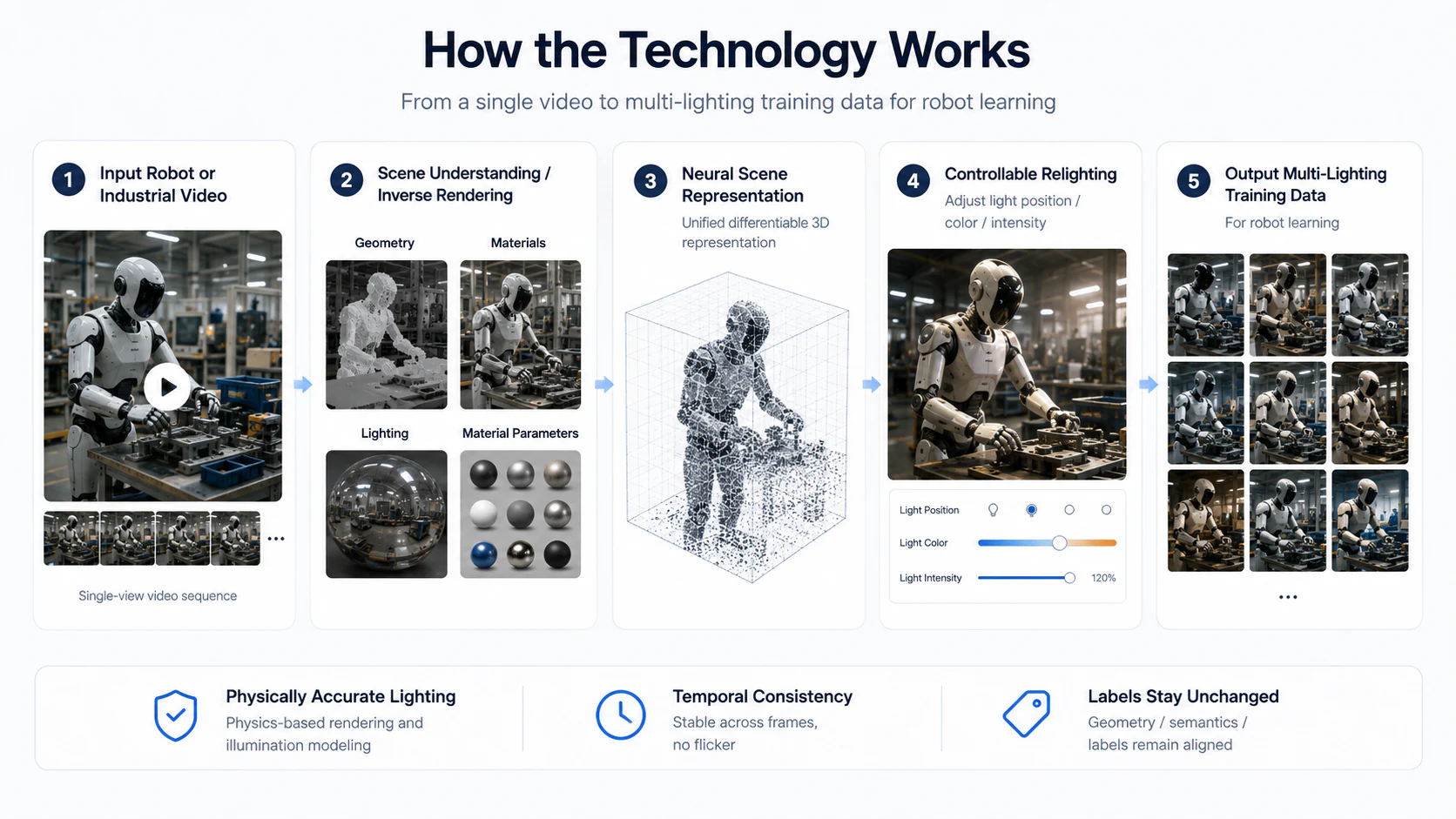
Interactive proof
Compare lighting conditions while scene structure, motion, and labels remain aligned
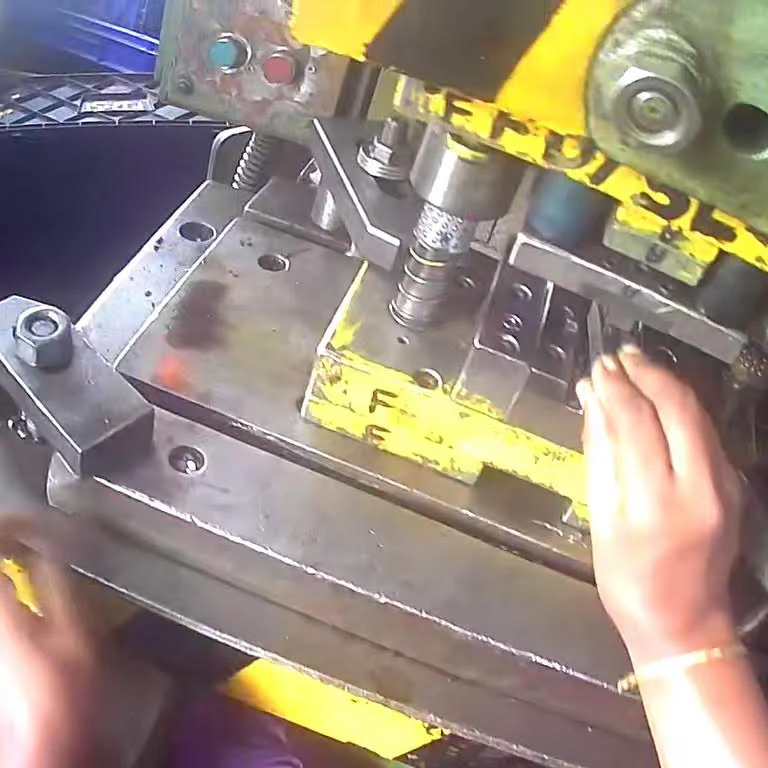
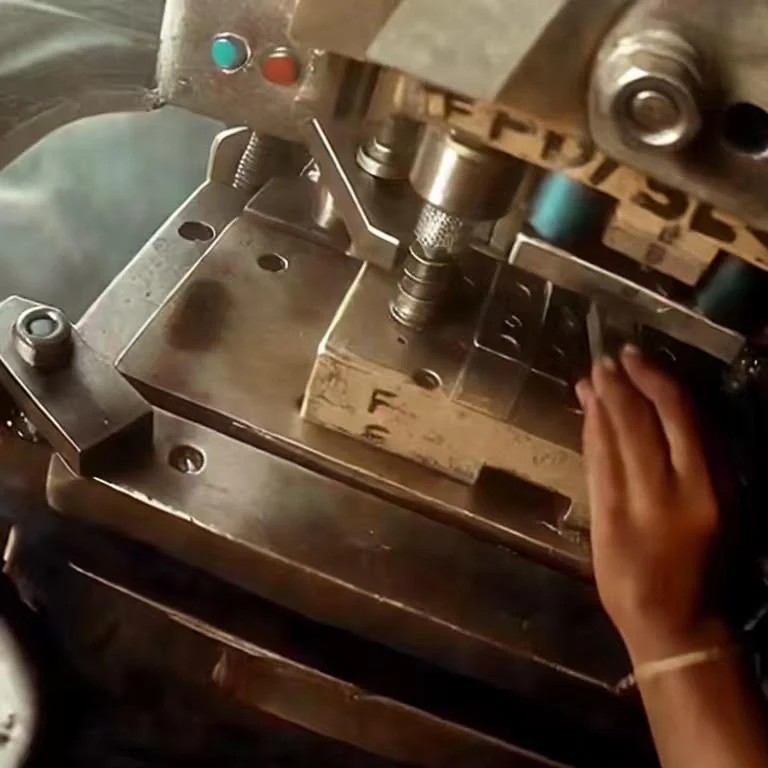
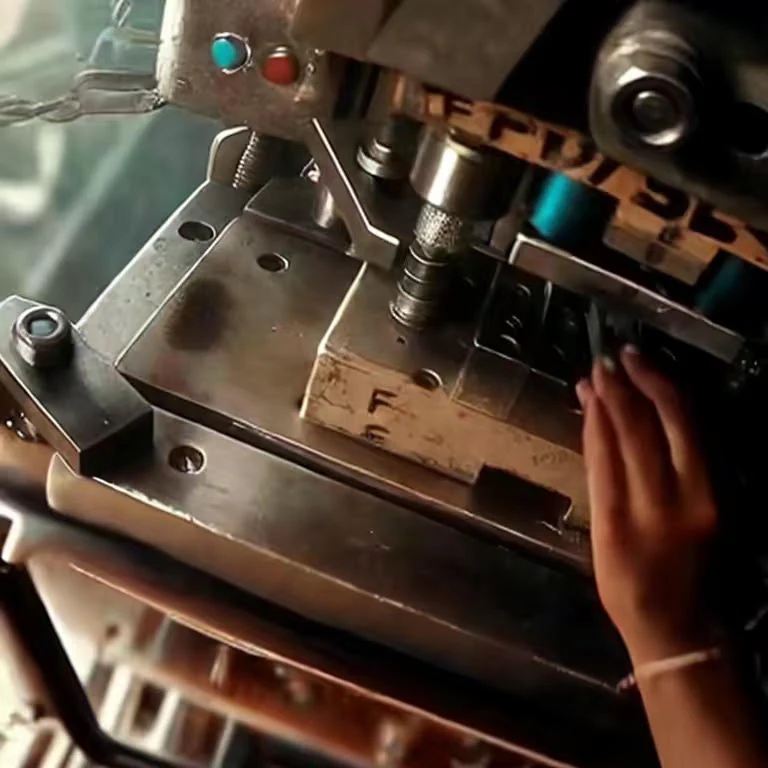
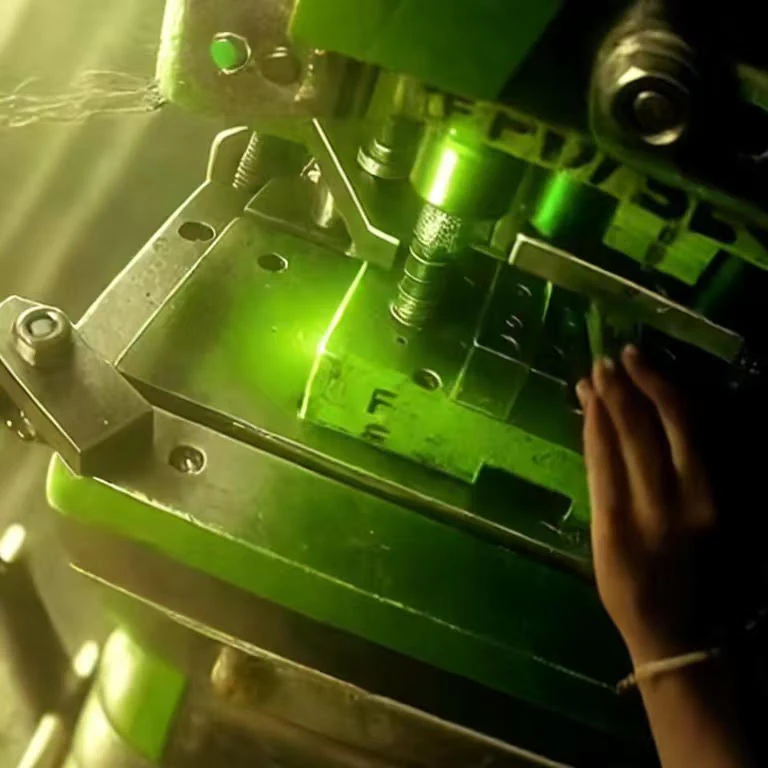
Control surface
Position, direction, size, and multiple sources
Intensity, color, temperature, and softness
Day, night, side light, backlight, and mixed illumination
Temporal stability, preserved labels, and repeatable settings
Why it matters
Recreate a condition instead of hoping a prompt repeats it
Respect geometry, materials, shadows, and reflections
Keep lighting coherent across motion and changing viewpoints
Preserve trajectories, poses, and task relationships
Start with your data
Share one task and the data you already have; we will shape the lighting matrix, delivery, and validation plan
Discuss a project